
Does Digital Marketing Work? How to Measure What Matters

Digital Marketing - Does It Really Work?


Digital marketing can bring in business. Whether it works for you depends on who you reach, what you offer, what happens after someone clicks, and how well you follow up.

A campaign can generate plenty of traffic and still disappoint. People may land on the wrong page, struggle to contact you, or submit a request that nobody answers. Those gaps matter as much as the ad or post that brought them there.

At GEMDOS, we look at how those pieces connect. The goal is to help the right people find your business, understand your offer, and take the next step.
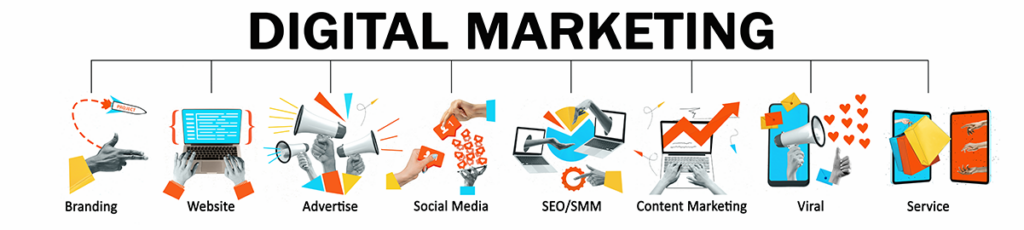

Digital marketing- branding, website, advertise, social media, SEO/SMM, content marketing, viral, service

Give each part of your marketing a job

Your website should explain what you do, who you help, and how to contact you. A visitor looking for a specific service should arrive on a page that answers their questions about that service.

SEO and online visibility help people discover relevant pages through search. Useful content gives them information they can use before deciding to call.

Paid advertising brings your offer in front of a selected audience. The message and landing page need to agree: an ad for one service should lead to that service, with a clear way to inquire.

Social media can show your work, answer common questions, and keep your business familiar. Email and customer follow-up can help people continue a conversation they have already started.

You do not need every channel at once. Choose the ones that fit your customers, your capacity, and your budget.

Measure the path from attention to business

Start with a specific outcome, such as qualified estimate requests or booked consultations. Then track the steps that lead to it:

  • How many relevant people visited the page?
  • How many called or submitted a working form?
  • How many inquiries matched the services you offer?
  • How many became customers?
  • What did it cost to acquire that business?
 

Website reporting can help identify traffic sources, but it needs to connect with your actual sales records. Google Analytics groups traffic into channels such as organic search, paid search, email, and social. Those reports describe acquisition; they do not tell you whether every inquiry was worthwhile. Google’s channel definitions

Businessman is touching the growing business graph. Planning and starting corporate business start up, Rocket icon soars with speed to hit the growth target.

For example, imagine two campaigns each produce ten inquiries. One brings eight people asking for a service you do not provide. The other brings four qualified prospects and two profitable jobs. The inquiry count alone misses the difference.

Digital and traditional marketing can support each other

Referrals, events, signs, and printed materials may still matter to your customers. Someone who hears about you offline may visit your website before calling. Ask new customers how they found you, and use that feedback alongside your online reports.

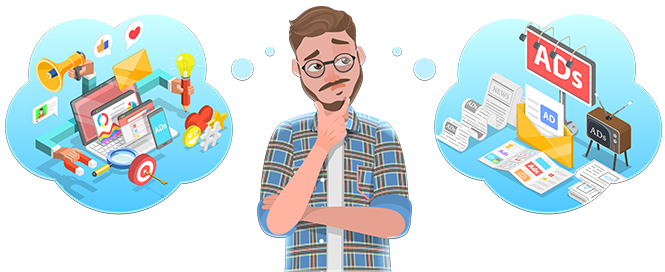
3D Conceptual Illustration of Online vs Offline Advertising.

Fix the weakest connection first

Before increasing your budget, test your contact form, review your service pages on a phone, and make sure someone owns the follow-up process. If leads are already arriving but going unanswered, buying more traffic will not solve the problem.

Talk with GEMDOS about connecting your website, visibility, advertising, and follow-up around the business outcomes you want to improve.